
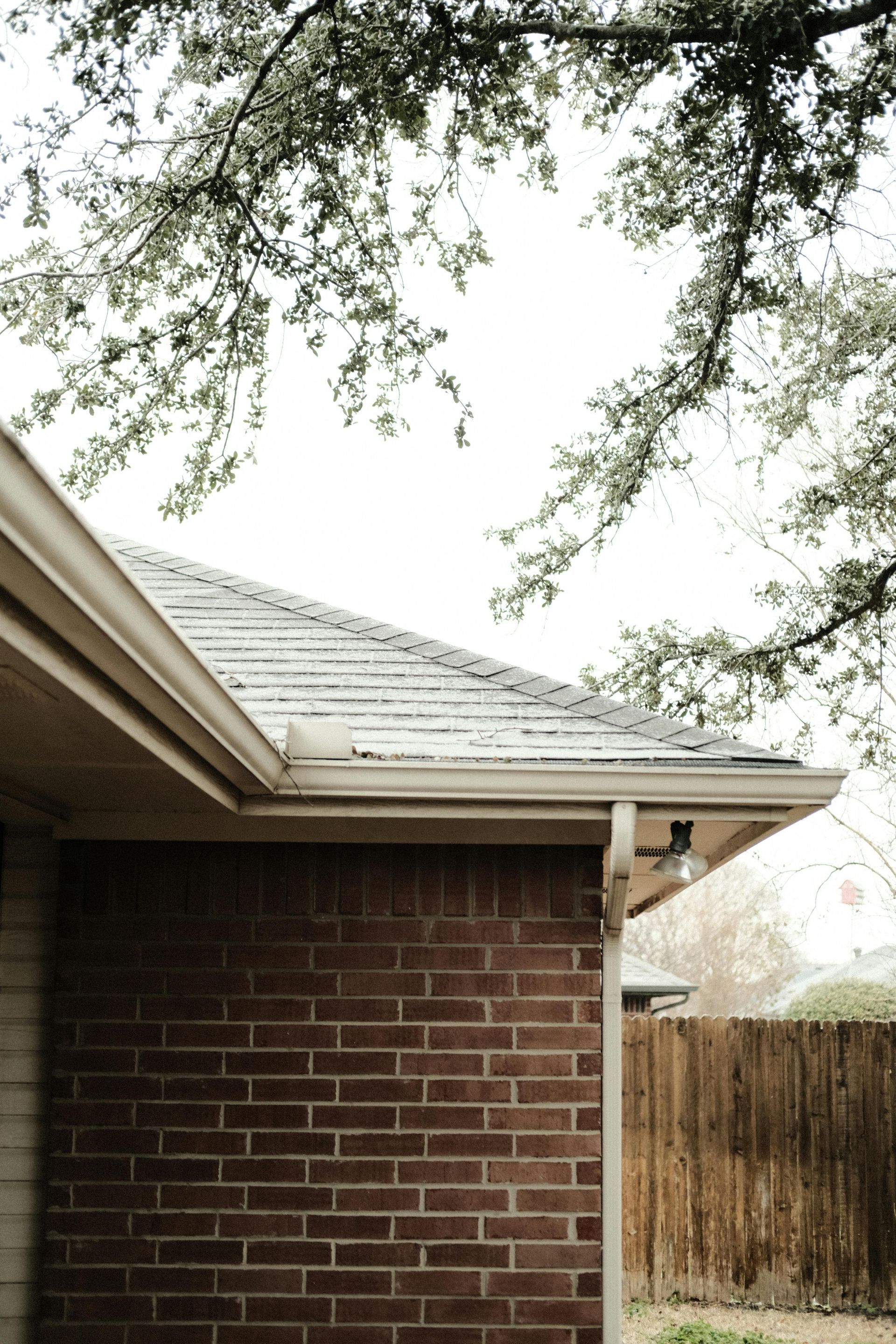
Drainage Systems That Prevent Foundation Problems
Gutter Services in Rochester and across Southeast Michigan for properties experiencing basement seepage, eroded landscaping, or overflowing downspouts
Water pooling along foundation walls, soil erosion near plantings, and ice dams forming above clogged gutters indicate that drainage systems no longer handle the volume coming off your roof. Platinum Exteriors LLC installs, replaces, and upgrades gutter systems across Rochester, Rochester Hills, Sterling Heights, and across Southeast Michigan where heavy spring rains and rapid snowmelt can overwhelm undersized or poorly pitched channels. Seamless gutters eliminate the leak points that develop at seamed joints, and properly calculated downspout placement ensures water reaches drainage areas away from structures.
Gutter installation begins with measuring roof area to determine required channel size—five-inch or six-inch widths depending on square footage and roof pitch—and calculating the slope needed to move water toward downspouts without creating standing sections. Hangers are spaced to support the weight of water and ice accumulation common during Michigan freeze-thaw cycles, and end caps are sealed to prevent leaks where channels terminate.
Arrange an evaluation to assess current drainage performance and identify system upgrades needed for your property.
How Gutter Systems Protect Foundations and Landscaping
Functional gutters intercept roof runoff before it cascades along foundation walls or saturates soil near plantings, preventing the moisture accumulation that leads to basement leaks and settling. Downspout extensions carry water at least six feet from foundations, far enough that soil remains stable and hydrostatic pressure doesn't build against basement walls during prolonged rain events.
After installation, you'll see rainwater flowing smoothly through channels without spilling over edges, downspouts discharging away from vulnerable areas, and soil around foundations staying drier during storms. Landscaping near the house stops showing erosion patterns, and basements remain dry even when heavy rain persists for hours—a frequent occurrence during Michigan spring thaw periods.
Gutter guard systems reduce maintenance by blocking leaves and debris while allowing water to enter channels, though guards must be selected based on the types of trees surrounding your property. Some designs handle pine needles better than others, and certain mesh patterns perform poorly when faced with maple seed helicopters that blanket roofs each spring across Bruce Township.
Property owners typically want to understand system sizing, material longevity, and maintenance requirements before scheduling gutter work.
Common Questions About This Service
What size gutters does a typical home need?
Five-inch gutters handle most single-story and modest two-story homes, while six-inch channels become necessary for steeply pitched roofs, large roof areas, or properties with limited downspout locations where each channel must carry higher volumes.
How do seamless gutters differ from sectional systems?
Seamless gutters are formed on-site to exact lengths, eliminating joints where leaks typically develop, while sectional gutters connect pre-cut pieces with hardware that eventually loosens and separates as thermal expansion stresses connections.
When should gutters be replaced instead of repaired?
Replacement makes sense when gutters sag between hangers, show rust-through or cracks in multiple locations, or pull away from fascia boards due to rotted mounting surfaces underneath.
What happens if downspouts discharge too close to foundations?
Water saturates soil immediately adjacent to basement walls, creating hydrostatic pressure that forces moisture through concrete and leads to efflorescence, dampness, and eventual cracking—a pattern seen frequently in Southeast Michigan homes where extensions have been removed or never installed.
How often do gutter guards need cleaning?
Even guarded systems require annual inspection to remove accumulated debris that bridges across mesh or clogs valley sections, though maintenance intervals stretch from twice yearly to once yearly compared to unguarded channels that need clearing every few months.
Platinum Exteriors LLC evaluates drainage patterns, roof configurations, and landscaping layouts to design gutter systems that function reliably through Michigan's variable precipitation cycles. Contact us to schedule a gutter assessment based on your property's specific drainage challenges.